
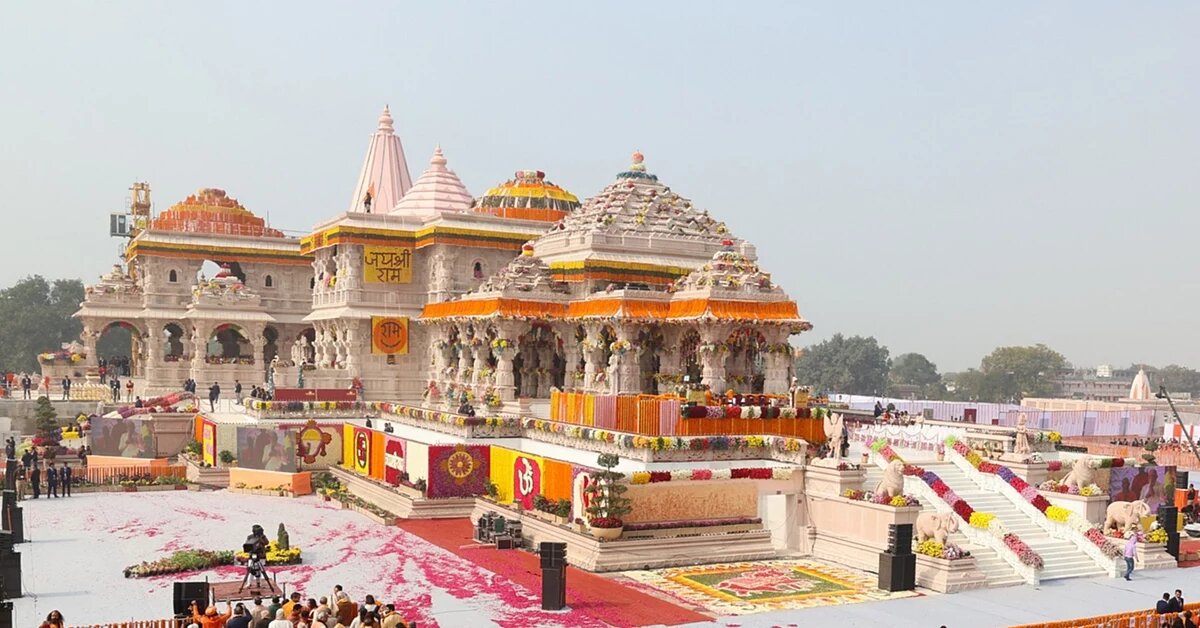
Ayodhya Ram Janmabhoomi , Have you ever wondered what it feels like to stand at the exact spot where divinity touched earth? Ram Janmabhoomi in Ayodhya offers precisely that experience—a place where millions believe the divine incarnation of Lord Vishnu as Lord Ram was born thousands of years ago. This isn’t just another temple or historical site; it’s the spiritual epicenter of one of the world’s great epics, a place that has shaped religious consciousness, cultural identity, and collective memory for countless generations.
Ram Janmabhoomi, literally meaning “the birthplace of Ram,” represents more than physical geography. It embodies faith, devotion, history, and the enduring power of sacred narratives. For Hindus worldwide, particularly those who revere Ram as the ideal king, perfect son, and devoted husband, this site holds a significance that transcends ordinary pilgrimage. It’s where the story began, where the prince who would become the symbol of dharma (righteousness) first entered the world in human form.
The Mythological Significance
Lord Ram in Hindu Scripture
Ayodhya Ram Janmabhoomi , Lord Ram occupies a unique position in Hindu theology and philosophy. As the seventh avatar of Lord Vishnu, he incarnated to restore cosmic balance, defeat evil, and demonstrate the path of dharma through perfect human conduct. Unlike some divine figures who remain distant and transcendent, Ram lived as a man—experiencing joy and sorrow, facing difficult choices, and maintaining righteousness despite tremendous personal cost.
The Ramayana, composed by the sage Valmiki, chronicles Ram’s life from birth through his eventual return to divine form. Other texts like the Ramcharitmanas by Tulsidas have further popularized Ram’s story across India and beyond. Ram isn’t merely worshipped as a powerful deity; he’s loved as an ideal—the perfect son who obeyed his father even when it meant exile, the devoted husband who crossed oceans to rescue his wife, the just king who placed duty above personal desire.
The Birth Story
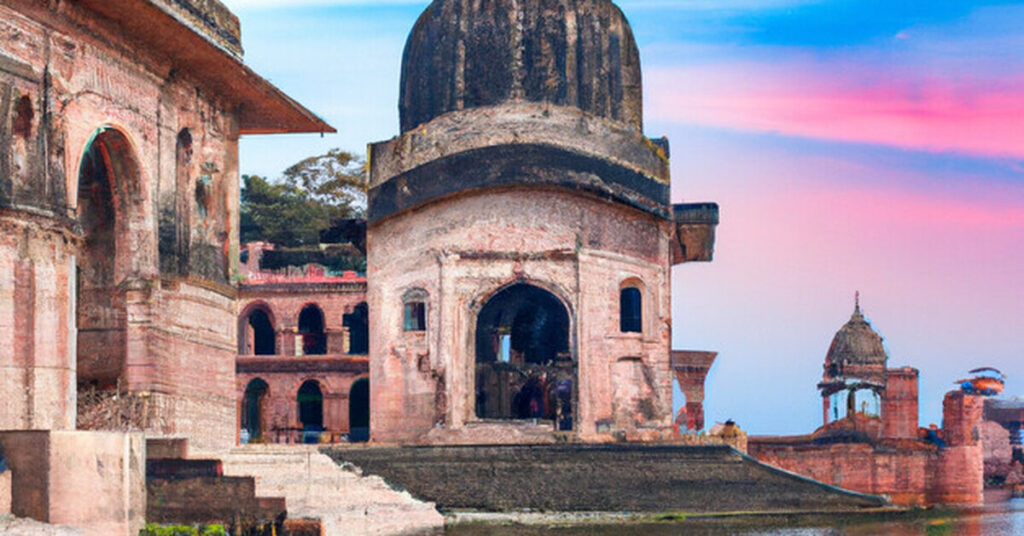
Ayodhya Ram Janmabhoomi , According to sacred texts, Ram’s birth was no ordinary event but a cosmic occurrence long awaited by gods and humans alike. King Dasharatha of Ayodhya, despite his wealth and power, suffered from one great sorrow—he had no heir. After performing the Putrakameshti Yagna (a ritual for progeny), he was blessed with four sons from his three queens.
Ayodhya Ram Janmabhoomi , On the ninth day of the Chaitra month (March-April), under the Punarvasu nakshatra (lunar mansion), Queen Kaushalya gave birth to Ram. The texts describe auspicious signs accompanying the birth—celestial music, flowers raining from the sky, and a divine radiance filling the palace. This wasn’t just a prince being born; it was the divine entering mortal form to fulfill a sacred purpose. The exact spot where this miraculous birth occurred is what devotees call Ram Janmabhoomi.
Ayodhya in the Ramayana
Ayodhya itself features prominently in the Ramayana as the capital of the ancient Kosala kingdom. Valmiki describes it as a magnificent city—prosperous, well-governed, and filled with righteous citizens. The city’s beauty and prosperity reflected the dharmic rule of its kings, particularly Ram’s father Dasharatha.
The Ramayana provides vivid descriptions of Ayodhya’s palaces, gardens, and public spaces. It was a city where art and culture flourished, where learned scholars debated philosophy, and where justice prevailed. Ram’s eventual coronation, after his return from fourteen years of exile, represents not just the homecoming of a prince but the restoration of perfect governance—Ram Rajya, the ideal kingdom that has inspired political and spiritual thought for millennia.
Historical Background
Ancient Origins
Ayodhya Ram Janmabhoomi: The Birthplace of Lord Ram, The historical existence of Ram and Ayodhya straddles the line between mythology and history. While secular historians debate the historical authenticity of the Ramayana’s characters, the cultural and religious significance of Ayodhya as Ram’s birthplace is ancient and well-documented. References to Ayodhya as a sacred city appear in various ancient texts, travel accounts, and inscriptions spanning two millennia.
Archaeological surveys have revealed that Ayodhya has been continuously inhabited for thousands of years, with evidence of ancient structures, pottery, and artifacts suggesting a major urban center in ancient times. Whether the Ram of scripture was a historical figure or a mythological character, the belief in his birthplace at this specific location has been constant for at least fifteen centuries, possibly longer.
Archaeological Evidence
Archaeological investigations at the Ram Janmabhoomi site have revealed multiple layers of construction spanning centuries. Excavations have uncovered temple remains, pillar bases, and structural evidence suggesting religious activity at this location from at least the medieval period, if not earlier. These findings indicate that the site was considered sacred and was marked by significant structures well before modern times.
The Archaeological Survey of India has documented various findings, including temple components, inscriptions, and architectural elements that suggest Hindu religious structures existed at this location. While debates continue about the exact dating and interpretation of these findings, they confirm the site’s long religious significance and its identification with Ram’s birthplace in historical consciousness.
Medieval Period Transformations
The medieval period brought significant changes to the Ram Janmabhoomi site. Historical records and local traditions indicate that a temple marking Ram’s birthplace existed and was a prominent pilgrimage destination. Various rulers and devotees contributed to this temple’s maintenance and enhancement over centuries.
The 16th century brought transformation when, according to historical accounts and inscriptions, the existing temple structure was demolished and a mosque was constructed at the site. This event created a wound in Hindu religious consciousness that would remain unhealed for nearly five centuries, eventually leading to one of modern India’s most significant religious and legal disputes.
The Modern History
The Disputed Period
The Ram Janmabhoomi site became the center of one of India’s longest and most emotionally charged disputes. For generations, Hindus maintained that the exact birthplace of Ram—marked by a specific spot called “Ram Chabutra”—lay within or near a mosque structure. Many continued to worship there despite the changed architecture, demonstrating the depth of their belief in the site’s sanctity.
The dispute intensified in the 20th century, with various movements seeking to reclaim the site for a Ram temple. The issue transcended mere property rights, touching deep questions of religious identity, historical justice, and cultural memory. Multiple generations of Indians grew up with Ram Janmabhoomi as a defining issue in national discourse, making it as much a cultural phenomenon as a religious or legal matter.
The Legal Journey
The legal battle over Ram Janmabhoomi became one of the longest-running cases in Indian judicial history, spanning decades and involving multiple court levels. Various parties filed suits claiming rights to the disputed land, with arguments encompassing religious rights, historical evidence, archaeological findings, and constitutional principles.
The case was extraordinarily complex, involving thousands of pages of testimony, expert witnesses from various fields, and intricate legal arguments about religious law, property rights, and historical justice. Courts had to balance competing claims while maintaining social harmony and upholding constitutional principles of religious freedom and equality. The legal journey itself became a test of India’s democratic and judicial systems.
The Supreme Court Verdict
In November 2019, the Supreme Court of India delivered its landmark verdict, ending the decades-long legal battle. The Court awarded the disputed land for the construction of a Ram temple, while providing alternative land for a mosque. The judgment attempted to balance competing claims while acknowledging the faith of millions who believed in the site’s significance as Ram’s birthplace.
The verdict was accepted peacefully by the nation, marking a significant moment in Indian history. It cleared the way for the construction of a grand temple at the site, fulfilling the aspirations of countless devotees who had waited generations to see a temple marking Ram’s birthplace. The decision demonstrated how democratic institutions could resolve even the most sensitive disputes through legal processes rather than violence.
The New Ram Mandir
Architectural Vision
Design and Structure
The new Ram Mandir at Ayodhya represents a magnificent architectural achievement, designed to stand for at least 1,000 years. The temple follows the traditional Nagara style of Hindu temple architecture, characterized by its towering shikhara (spire) and intricate design elements. The structure spans three floors with a total height of approximately 161 feet, making it one of India’s largest temple complexes.
The temple’s design incorporates traditional Hindu architectural principles found in ancient texts like the Shilpa Shastras, while employing modern engineering to ensure structural integrity and longevity. The complex includes multiple mandapas (halls), each serving specific ritual purposes. The overall layout follows vastu shastra principles, creating spaces that are both functionally appropriate and spiritually harmonious.
Materials and Craftsmanship
The temple is constructed primarily from pink sandstone sourced from Rajasthan, chosen for its beauty, durability, and resistance to weathering. Notably, the entire structure uses no steel or iron, relying instead on traditional interlocking stone techniques that have preserved ancient temples for centuries. This approach honors traditional construction methods while ensuring the temple’s longevity.
Master craftsmen and sculptors from across India have contributed their skills, creating intricate carvings depicting scenes from the Ramayana and various aspects of Hindu theology. The level of detail is extraordinary—every pillar, panel, and surface tells a story or represents a spiritual concept. This craftsmanship transforms the temple from mere building into a three-dimensional scripture, where architecture becomes a teaching medium.
Construction Journey
The temple’s construction began with great ceremony and has proceeded with meticulous attention to detail. Traditional rituals accompanied each phase of construction, from foundation laying to pillar installation. The project has employed thousands of workers and craftsmen, becoming one of India’s most significant religious construction projects in modern times.
The construction process has been carefully documented, with progress updates shared widely, allowing devotees worldwide to feel connected to the temple’s emergence. Various organizations and millions of individual devotees have contributed financially, making it truly a people’s temple. The collective effort reflects the deep emotional investment that millions have in seeing this temple completed.
Consecration Ceremony
The Pran Pratishtha (consecration ceremony) in January 2024 marked the formal installation of Ram Lalla (infant Ram) in the sanctum sanctorum, making the temple officially active for worship. This elaborate Vedic ritual, performed by learned priests following ancient procedures, imbued the idol with divine presence, transforming it from sculpture to living deity in the eyes of devotees.
The consecration was a national event, broadcast live and watched by hundreds of millions. Political leaders, religious figures, celebrities, and ordinary citizens participated in celebrations across India and globally. The moment when the deity was formally installed represented the fulfillment of generations of hope and prayer, creating an emotional outpouring rarely seen in modern India.
The Temple Complex
Main Sanctum
The main sanctum houses the deity of Ram Lalla in his infant form, carved from a single piece of black stone. The idol depicts the divine child in a standing posture, one hand raised in blessing, embodying both innocence and divinity. The sanctum’s design follows precise Vedic specifications regarding dimensions, orientation, and decoration, creating a space optimized for divine presence and worship.
The sanctum’s walls feature intricate carvings and the ceiling is adorned with elaborate artwork depicting celestial scenes. The garbhagriha (innermost chamber) maintains an atmosphere of intense sanctity, with controlled lighting and acoustics that create a deeply meditative environment. For devotees, entering this space represents the culmination of their pilgrimage—standing at the exact spot of Ram’s birth in the presence of the deity.
Surrounding Shrines
The temple complex includes shrines dedicated to various deities associated with Ram’s story. Separate shrines honor Sita, Lakshmana, Bharata, Shatrughna (Ram’s brothers), Hanuman, and other key figures from the Ramayana. This creates a complete spiritual ecosystem where devotees can pay respects to all members of the divine family.
Each subsidiary shrine maintains its own ritual schedule and architectural style while harmonizing with the overall complex. The arrangement allows for comprehensive darshan, where pilgrims can encounter the complete Ramayana pantheon in a single visit. This thoughtful layout enhances the spiritual experience, providing context and completeness to the main darshan of Ram Lalla.
Museum and Cultural Center
The complex includes a museum documenting the temple’s history, the archaeological findings from the site, and the broader context of Ram worship in Hindu tradition. Exhibits showcase artifacts, historical documents, architectural plans, and multimedia presentations that educate visitors about the site’s significance.
A cultural center within the complex hosts religious discourses, classical music and dance performances, and educational programs about Hindu philosophy and the Ramayana. These facilities make the temple not just a worship site but a center for cultural preservation and education, ensuring that younger generations understand the traditions and stories that give the temple meaning.
Facilities for Pilgrims
Recognizing that millions will visit annually, the complex includes extensive facilities for pilgrim comfort and safety. Spacious waiting areas with seating accommodate crowds during peak times. Clean restroom facilities, drinking water stations, first aid posts, and information centers are strategically located throughout the complex.
The temple management has implemented advanced queue systems to manage crowds efficiently while ensuring everyone receives adequate darshan time. Special provisions accommodate elderly visitors, differently-abled pilgrims, and families with young children. These modern amenities demonstrate how traditional sacred spaces can incorporate contemporary needs without compromising spiritual character.
Religious and Cultural Importance
For Hindus Worldwide
Ram Janmabhoomi holds immense significance for Hindus globally, representing a tangible connection to their most beloved deity. For many, visiting this birthplace represents a life-fulfilling pilgrimage, something they’ve dreamed of since childhood. The temple provides a focal point for devotion, a place where the divine story they’ve heard countless times becomes geographically real.
The temple also serves as a unifying symbol for the global Hindu community, transcending regional, linguistic, and sectarian differences. Ram is worshipped across India and the Hindu diaspora in various forms and traditions, but Ram Janmabhoomi provides a common sacred center that all can relate to. This shared spiritual geography strengthens collective identity and cultural continuity.
In Indian Consciousness
Beyond religious significance, Ram Janmabhoomi occupies a unique place in broader Indian consciousness. Ram has influenced Indian culture, ethics, politics, and social norms for millennia. The concept of Ram Rajya—the ideal kingdom he established—continues to inspire political discourse. His character exemplifies values like duty, loyalty, and righteousness that remain cultural touchstones.
The temple’s construction represents not just a religious achievement but a cultural milestone, marking the resolution of a long-standing issue that had divided communities. For many Indians, regardless of their personal religiosity, the temple represents heritage, identity, and the continuity of ancient civilization in modern times.
Symbol of Faith and Identity
Ram Janmabhoomi has become a powerful symbol of Hindu faith and identity. The decades-long movement to reclaim the site demonstrated the depth of emotional attachment millions feel toward their religious heritage. The temple’s existence validates their beliefs and provides physical affirmation of their spiritual worldview.
For many devotees, the temple represents more than just Ram’s birthplace—it symbolizes the resilience of faith, the power of peaceful persistence, and the ultimate triumph of dharma. The journey from disputed site to grand temple mirrors their own spiritual journeys, making the temple personally meaningful beyond its religious function.
Visiting Ram Janmabhoomi
How to Reach Ayodhya
Ayodhya is now well-connected to major Indian cities through multiple transportation modes. The city has its own airport—Maharishi Valmiki International Airport—with flights from major metros including Delhi, Mumbai, and Bangalore. From the airport, the temple is approximately 10 kilometers away, reachable by taxi or app-based cabs.
Ayodhya Junction is a major railway station with trains from across India. The station has been significantly upgraded to handle increased pilgrim traffic. From the station, the temple is about 3-4 kilometers away. By road, Ayodhya is accessible via well-maintained highways from Lucknow (about 130 km), Varanasi (approximately 200 km), and other nearby cities. Several state and private buses operate regular services.
Temple Timings and Entry
The Ram Mandir generally opens for darshan in early morning and remains accessible until evening, with specific timings varying by season and special occasions. During major festivals, extended hours accommodate larger crowds. The temple management announces timings in advance, and visitors should check current schedules before planning their visit.
Entry to the temple is free, though visitors may need to book darshan slots online during peak periods to manage crowds. The booking system ensures everyone gets adequate darshan time without overwhelming the temple facilities. Special VIP darshan options may be available for those unable to wait in regular queues due to age or health constraints.
Darshan Guidelines
Darshan at Ram Janmabhoomi follows specific protocols designed to maintain sanctity while accommodating maximum devotees. Visitors must remove shoes at designated points—secure shoe-keeping facilities are available. Modest dress is mandatory—covered shoulders and knees for all visitors, with traditional Indian attire appreciated.
Mobile phones and cameras are generally not permitted inside the main sanctum, though photography may be allowed in outer areas—always check current policies. Offerings of flowers, coconuts, and other traditional items can be made at designated counters. The temple provides prasad (blessed food) to all devotees after darshan, maintaining the ancient tradition of divine hospitality.
Security Protocols
Given the temple’s significance and the large crowds it attracts, robust security measures are in place. All visitors pass through security screening similar to airports. Prohibited items include bags (small pouches may be allowed), electronics (except necessary items), food from outside, and any sharp objects.
Visitors should carry identification documents—especially during peak times or festivals. The security personnel are generally helpful and guide visitors through the process efficiently. While security is stringent, it’s designed to ensure everyone’s safety and shouldn’t be seen as intrusive. Cooperating with security makes the process smooth for everyone.
The Darshan Experience
What to Expect
Darshan at Ram Janmabhoomi is an emotionally powerful experience. As you enter the temple complex, you’re immediately struck by its grandeur and the palpable devotion in the atmosphere. The walk toward the main sanctum takes you through beautifully carved halls and corridors, each section revealing new artistic and spiritual details.
The actual darshan of Ram Lalla—seeing the deity at his birthplace—often overwhelms devotees with emotion. Many report tears flowing spontaneously, a sense of overwhelming joy or peace, or a feeling of profound spiritual fulfillment. The sanctum’s atmosphere, combined with the knowledge that you’re standing at the spot where Ram was born, creates an experience that transcends ordinary temple visits.
Rituals and Prayers
While in queue or during darshan, devotees typically chant “Jai Shri Ram” or other prayers dedicated to Lord Ram. Some recite verses from the Hanuman Chalisa, Ram Raksha Stotra, or simply offer personal prayers. The temple priests perform regular pujas throughout the day, maintaining constant worship in the sanctum.
Devotees can book special pujas through the temple office for particular occasions or intentions. These might include abhishek (ritual bath of the deity), special aartis, or personalized prayer ceremonies. Participating in these rituals, or even just witnessing them, adds depth to the pilgrimage experience.
Special Occasions
Visiting during special occasions offers unique experiences. Daily aartis, particularly the morning Mangala Aarti and evening Sandhya Aarti, feature elaborate ceremonies with priests, traditional music, and collective devotion. These ceremonies transform the temple into a living celebration, with hundreds or thousands of devotees participating in synchronized worship.
Major festivals see the temple decorated spectacularly and special ceremonies conducted. The energy during these occasions is extraordinary—the collective devotion of thousands creates an atmosphere that even skeptics find moving. However, be prepared for much larger crowds during festivals, requiring patience and flexibility.
Festivals at Ram Janmabhoomi
Ram Navami, celebrating Lord Ram’s birth, is naturally the most significant festival at Ram Janmabhoomi. The temple and entire Ayodhya city transform into a massive celebration. Special decorations adorn the temple, elaborate rituals mark the exact moment of Ram’s birth (based on traditional astrological calculations), and thousands gather to participate in the festivities.
The celebrations span several days, with continuous recitations of the Ramayana, devotional singing, religious discourses, and cultural performances. The culminating moment—when Ram’s birth is celebrated at noon on Ram Navami—creates an emotional crescendo rarely experienced elsewhere. For devotees, celebrating Ram’s birthday at his actual birthplace represents the ultimate Ram Navami experience.
Diwali in Ayodhya
Diwali holds unique significance in Ayodhya as it commemorates Lord Ram’s return to the city after fourteen years of exile. The Ram Janmabhoomi temple becomes the focal point of massive celebrations. The entire temple complex illuminates with millions of earthen lamps, creating a spectacle that has earned Guinness World Records.
The festival includes special pujas, cultural programs, fireworks displays, and community celebrations. The atmosphere combines joy (at Ram’s return), devotion (worshipping the deity), and cultural pride (celebrating in the city where it all happened). Experiencing Diwali at Ram Janmabhoomi provides context and depth to the festival that transforms how you understand this celebration forever after.
Other Important Festivals
Beyond Ram Navami and Diwali, the temple observes all major Hindu festivals with appropriate ceremonies. Janmashtami (Krishna’s birthday) is celebrated given Krishna and Ram’s connection as Vishnu avatars. Holi, Dussehra (marking Ram’s victory over Ravana), Hanuman Jayanti, and various other occasions see special observances.
Each festival brings its own character to the temple. Some are joyous and colorful, others more solemn and contemplative. Regular visitors often have favorite festivals, returning annually to experience particular celebrations. The year-round festival calendar ensures that whenever you visit, you’re likely to encounter some special observance that enriches your experience.
Nearby Sacred Sites
Hanuman Garhi
Located about 2 kilometers from Ram Janmabhoomi, Hanuman Garhi is the fortress-temple of Lord Hanuman. According to tradition, Hanuman resides here in a cave, eternally guarding Ram’s birthplace. The temple sits atop a hill accessible by 76 steps, offering both spiritual significance and beautiful views of Ayodhya.
Many pilgrims visit Hanuman Garhi before Ram Janmabhoomi, following the traditional practice of greeting the devoted servant before the master. The temple’s fortress-like architecture and the powerful energy devotees report experiencing there make it an essential part of the complete Ayodhya pilgrimage.
Kanak Bhawan
Kanak Bhawan, about 2 kilometers from Ram Janmabhoomi, is the golden temple housing beautiful idols of Ram and Sita as divine couple. According to legend, this was the palace gifted to Sita by Ram’s stepmother Kaikeyi. The temple’s stunning architecture, intricate artwork, and the unique depiction of the divine couple in their royal splendor make it a must-visit site.
The temple celebrates the married life of Ram and Sita, providing a different perspective from Ram Janmabhoomi’s focus on his birth. Together, these sites paint a more complete picture of Ram’s earthly life, enriching your understanding of the narrative and your connection to the divine story.
Sarayu Ghats
The sacred Sarayu River ghats, particularly Ram Ghat and Guptar Ghat, are integral to the Ayodhya pilgrimage experience. Ram Ghat hosts spectacular evening aartis with thousands of lamps reflected on the river’s surface. Guptar Ghat marks the spot where Ram is believed to have taken jal samadhi (entering the water to leave his mortal form).
Taking a holy dip in the Sarayu before visiting Ram Janmabhoomi follows traditional pilgrimage practice—purifying oneself in the sacred river before approaching the deity. The ghats also offer peaceful spaces for contemplation and beautiful vantage points for viewing Ayodhya’s skyline dominated by temple spires.
Ayodhya’s Transformation
Infrastructure Development
Ram Janmabhoomi’s development has catalyzed comprehensive infrastructure upgrades across Ayodhya. The city now has an international airport, significantly upgraded railway station, widened and improved roads, better public transportation, and enhanced civic amenities. These improvements benefit both pilgrims and local residents.
The government has invested in creating a model pilgrimage city with world-class facilities. Projects include riverfront development, heritage conservation, improved water and sanitation systems, and enhanced urban planning. Ayodhya is being transformed from a sleepy temple town into a major religious tourism destination while preserving its sacred character.
Tourism Growth
The temple has dramatically increased tourism to Ayodhya. From a few hundred thousand annual visitors previously, the city now attracts millions. This growth has created economic opportunities—new hotels, restaurants, shops, and services catering to pilgrims. Local artisans, guides, and hospitality workers have seen business boom.
However, this growth also brings challenges—managing crowds, preserving local culture, preventing commercialization from overwhelming spiritual character, and ensuring tourism benefits reach local communities equitably. The temple management and government are working to balance growth with sustainability and cultural preservation.
Economic Impact
The economic impact extends far beyond Ayodhya. The temple has created thousands of direct and indirect jobs—from construction workers and craftsmen during building phases to hospitality workers, guides, vendors, and service providers serving pilgrims. Nearby cities and towns also benefit from increased connectivity and visitor overflow.
The temple has spurred investment in related industries—handicrafts depicting Ram’s story, religious merchandise, hospitality services, and transportation. The multiplier effect of millions of pilgrims spending on accommodation, food, shopping, and local services significantly boosts regional economic activity, demonstrating how religious sites can drive economic development.
Practical Tips for Pilgrims
Best Time to Visit
The ideal time for visiting Ram Janmabhoomi depends on your priorities. For comfortable weather and pleasant pilgrimage conditions, winter months (October through March) are best. The weather remains moderate, making long waits in queues and temple visits more comfortable. This period also includes major festivals offering enhanced experiences.
If you prefer smaller crowds and more personal darshan time, visit during non-festival weekdays. Summer months (April-June) see fewer visitors due to extreme heat but can be manageable for early morning visits. Monsoon season (July-September) brings rains that might disrupt travel but also creates beautiful green landscapes and fewer crowds.
What to Bring
Pack light since you’ll need to clear security and can’t bring large bags into the temple. Essentials include valid photo identification (mandatory), any necessary medications, water bottle (though drinking water is available), sunscreen and hat for daytime visits, and modest clothing suitable for temple entry.
Consider bringing offerings like flowers or coconuts if you wish to make traditional offerings (these are also available for purchase near the temple). A small pouch for essentials, comfortable walking shoes (which you’ll remove before entering), and perhaps a shawl or light jacket for evening visits complete the practical necessities. Leave valuables and unnecessary electronics at your accommodation.
Accommodation Options
Ayodhya now offers diverse accommodation options. Budget travelers find numerous dharamshalas (pilgrim rest houses) offering clean, basic accommodation at very affordable rates—some even provide free lodging to genuine pilgrims. These offer authentic pilgrimage experiences and opportunities to meet fellow devotees.
Mid-range hotels provide comfortable amenities—air conditioning, attached bathrooms, room service—at reasonable prices. Several premium hotels have opened recently, offering luxury accommodations with spa facilities, fine dining, and high-end amenities for pilgrims seeking comfort. Booking well in advance is essential, especially during festivals when accommodation fills up months ahead.
Local Customs and Etiquette
Ayodhya is a deeply religious city where local customs should be respected. Dress modestly throughout the city, not just in temples. Leather items (shoes, belts, bags) are considered inappropriate in highly sacred areas—many devotees avoid them entirely during their Ayodhya visit. Public displays of affection should be avoided as they’re culturally inappropriate.
Photography of religious ceremonies requires sensitivity—always ask permission before photographing priests or worshippers. Maintain respectful behavior—loud conversations, inappropriate jokes, or disrespectful comments about religious practices are deeply offensive. If invited to participate in rituals and you choose to do so, follow instructions carefully and treat all religious objects and spaces with reverence.
The Spiritual Impact
Beyond the physical temple and rituals, Ram Janmabhoomi offers something profound—a spiritual impact that many visitors describe as transformative. Standing at the exact spot believed to be Ram’s birthplace creates a connection to the divine story that intellectual understanding alone cannot provide. The experience makes the Ramayana personal rather than merely mythological.
Many devotees report unexpected emotional responses—tears, overwhelming joy, profound peace, or a sense of divine presence. Whether these experiences stem from genuine divine contact, the power of sacred spaces, or psychological factors related to fulfilled aspirations and deep belief, their reality for those experiencing them is undeniable.
The temple also offers perspective on faith itself—how belief shapes culture, sustains communities through centuries, and provides meaning in an often chaotic world. Visiting Ram Janmabhoomi invites reflection on your own spiritual journey, your relationship with tradition, and the role of sacred narratives in human life. These deeper impacts often prove more lasting than the immediate sensory experiences of the visit itself.
Conclusion
Ayodhya’s Ram Janmabhoomi stands as far more than a temple—it’s a living bridge between mythology and reality, between ancient tradition and contemporary expression, between the divine and the human. This sacred site, marking the spot where millions believe Lord Ram was born, represents the culmination of centuries of faith, decades of struggle, and the unwavering devotion of countless believers.
From the mythological significance rooted in the Ramayana to the historical complexities that surrounded the site, from the legal journey that resolved long-standing disputes to the magnificent temple that now marks this holy ground, every aspect of Ram Janmabhoomi tells a compelling story. The new temple, with its traditional architecture and modern engineering, honors ancient traditions while serving contemporary needs, creating a space where past and present merge seamlessly.
For pilgrims who make the journey to Ayodhya, Ram Janmabhoomi offers an experience that transcends ordinary tourism or even typical pilgrimage. It provides connection to one of humanity’s great spiritual narratives, an opportunity to stand where divinity entered the world, and a chance to participate in living tradition that has sustained civilizations for millennia. Whether you approach as a devout believer, a cultural explorer, or a curious traveler, Ram Janmabhoomi rewards your visit with beauty, meaning, and perhaps transformation.
The story of Ram continues to unfold not just in scriptures but in the hearts of devotees, in the streets of Ayodhya, and now in this magnificent temple that stands as testament to enduring faith. As you complete your pilgrimage and depart from this sacred site, you carry with you more than memories—you carry a piece of the divine story, a connection to millions who share this devotion, and perhaps a deeper understanding of the power of faith to shape history, culture, and individual lives.
FAQs
1. Do I need to book tickets in advance to visit Ram Janmabhoomi?
Entry to Ram Janmabhoomi temple is free, and generally no advance booking is required for regular darshan. However, during peak seasons, major festivals like Ram Navami and Diwali, or on weekends, the temple management may implement an online booking system for darshan slots to manage crowds effectively. It’s advisable to check the official temple website or contact the temple authorities before your visit, especially if traveling during busy periods. Special VIP darshan options may require advance booking and might involve a donation. For the smoothest experience, particularly during festivals, booking your darshan slot online beforehand is highly recommended.
2. How long does it typically take to complete darshan at Ram Janmabhoomi?
The time required for darshan varies significantly based on crowd levels and the day of your visit. On regular weekdays during non-festival periods, you might complete your darshan in 2-3 hours, including security screening, walking through the complex, queue time, and the actual darshan. During weekends, this can extend to 4-5 hours. Major festivals like Ram Navami or Diwali can require 6-8 hours or even longer due to massive crowds. The actual darshan—standing before the deity—typically lasts just a few moments, as thousands of devotees need their turn. Plan your day with flexibility, bring water and patience, and consider the wait time as part of your spiritual journey rather than an inconvenience.
3. Can non-Hindus visit Ram Janmabhoomi temple?
Yes, Ram Janmabhoomi welcomes visitors of all faiths and backgrounds. The temple is a sacred Hindu site, but observing with respect is welcomed and encouraged. Non-Hindu visitors should follow the same guidelines as everyone else: dress modestly with covered shoulders and knees, remove shoes before entering, maintain respectful behavior, and follow all temple protocols. Many non-Hindu visitors appreciate the opportunity to experience this significant cultural and spiritual site, and their respectful presence is generally welcomed. However, it’s important to approach the visit with genuine respect and understanding that for millions of Hindus, this is their most sacred pilgrimage destination, deserving of utmost reverence.
4. What are the main differences between visiting Ram Janmabhoomi during regular days versus festivals?
Visiting during regular days offers a more peaceful, contemplative experience with shorter wait times, less crowding, and more opportunity for personal prayer and reflection. You’ll have better accessibility to different parts of the temple complex and can take your time observing the architecture and artwork. However, you’ll miss the extraordinary atmosphere of major celebrations. Festival visits, particularly during Ram Navami or Diwali, provide spectacular experiences—elaborate decorations, special ceremonies, cultural performances, and the powerful energy of thousands of devotees celebrating together. The collective devotion creates an unmatched spiritual atmosphere. However, expect much larger crowds, longer wait times (sometimes 6-8 hours), limited personal space, and need for advance planning. Choose based on whether you prioritize peaceful contemplation or vibrant celebration.
5. Are there any specific rituals or prayers I should perform when visiting Ram Janmabhoomi?
There are no mandatory rituals for visitors—simply having darshan with a sincere heart is sufficient. However, many devotees follow traditional practices: taking a holy bath in the Sarayu River before visiting the temple for ritual purification, offering flowers or coconuts at the sanctum (available for purchase at temple counters), chanting “Jai Shri Ram” or reciting prayers like Hanuman Chalisa during queue time, and accepting prasad after darshan. Some devotees circumambulate the temple complex (pradakshina) as an act of devotion. If you wish to perform special pujas or ceremonies, these can be arranged through the temple office with appropriate donations. The most important element isn’t the specific ritual but approaching with reverence, devotion, and an open heart, allowing the experience to touch you spiritually regardless of which external practices you follow.